

Netflix is bringing 1974 back to theaters thanks to rare archival prints, restorations, and select 35mm screenings of the curated “Milestone Movies” streaming collection.
The streaming platform debuts a slew of classic films across its trio of theaters in Los Angeles and New York City. The rarely screened archival prints for Martin Scorsese’s “Alice Doesn’t Live Here Anymore” and John Cassavetes’ “A Woman Under the Influence” are among the selected titles, as well as the premiere of the Dcp restoration of iconic Blaxploitation film “Foxy Brown” starring Pam Grier.
The screening series marks the 50th anniversaries of the 1974 films, which were unveiled as part of Netflix’s inaugural (and Criterion Channel-esque) curation channel “Milestone Movies: The Anniversary Collection,” which was unveiled in January 2024. Fifteen films will screen at the Paris Theater in New York from March 22 through 28, as 12 films screen at the Egyptian Theatre in Los Angeles from March 11 through...
The streaming platform debuts a slew of classic films across its trio of theaters in Los Angeles and New York City. The rarely screened archival prints for Martin Scorsese’s “Alice Doesn’t Live Here Anymore” and John Cassavetes’ “A Woman Under the Influence” are among the selected titles, as well as the premiere of the Dcp restoration of iconic Blaxploitation film “Foxy Brown” starring Pam Grier.
The screening series marks the 50th anniversaries of the 1974 films, which were unveiled as part of Netflix’s inaugural (and Criterion Channel-esque) curation channel “Milestone Movies: The Anniversary Collection,” which was unveiled in January 2024. Fifteen films will screen at the Paris Theater in New York from March 22 through 28, as 12 films screen at the Egyptian Theatre in Los Angeles from March 11 through...
- 2/20/2024
- by Samantha Bergeson
- Indiewire

Copenhagen-based sales and financing outlet REinvent has inked major deals on the Danish/German thriller “Oxen”, ahead of its screening Feb. 19 as part of the Berlinale Series Market Selects label.
The show, produced by Scandi major Sf Studios with Germany’s Square One for TV2 Denmark and Zdf, has been acquired by Gsn Networks for the UK, AMC for Spain/Portugal as well as Orion Group for Poland.
An earlier pre-sale was closed with Lumière for Benelux: Further deals are pending for the U.S. and Latin America according to REinvent.
Powered by a stellar creative team including helmer Jannik Johansen, Emmy-award winning duo Mai Brostrøm and Peter Thorsboe, who wrote the screenplay based on Jens Henrik Jensen’s best-selling book series, “Oxen” was one of the biggest series on Danish television in 2023. Launched late October, it averaged 1.3 million consolidated viewers on TV2 Denmark.
Jacob Lohmann plays the title role as veteran Niels Oxen,...
The show, produced by Scandi major Sf Studios with Germany’s Square One for TV2 Denmark and Zdf, has been acquired by Gsn Networks for the UK, AMC for Spain/Portugal as well as Orion Group for Poland.
An earlier pre-sale was closed with Lumière for Benelux: Further deals are pending for the U.S. and Latin America according to REinvent.
Powered by a stellar creative team including helmer Jannik Johansen, Emmy-award winning duo Mai Brostrøm and Peter Thorsboe, who wrote the screenplay based on Jens Henrik Jensen’s best-selling book series, “Oxen” was one of the biggest series on Danish television in 2023. Launched late October, it averaged 1.3 million consolidated viewers on TV2 Denmark.
Jacob Lohmann plays the title role as veteran Niels Oxen,...
- 2/19/2024
- by Annika Pham
- Variety Film + TV

Netflix Celebrating 1974 Cinema With 50th Anniversary Collection Including Horror Movie ‘It’s Alive’
Netflix may be the top streaming service on the planet but they’ve never been great at putting classic movies into the feeds of their subscribers. A quick glance at the streaming service at any given time will mostly assault your eyeballs with new originals and recent hits, with older movies from the 70s, 60s, 50s and earlier being almost completely absent from the service.
That’s why it’s great to hear that Netflix is currently celebrating the cinema of 1974, and it’s the first phase of their Milestone Movies: The Anniversary Collection initiative.
Netflix explains the project, “Starting this month on Netflix in the US, you can watch a robust roster of movies released in 1974 and turning the big 5-0 this year.”
Additionally, “More offerings from 1984 (turning 40), 1994 (turning 30), and 2004 will follow in April, July, and October, respectively.”
Netflix’s 1974 Collection is now streaming, and it includes Larry Cohen’s killer baby horror movie,...
That’s why it’s great to hear that Netflix is currently celebrating the cinema of 1974, and it’s the first phase of their Milestone Movies: The Anniversary Collection initiative.
Netflix explains the project, “Starting this month on Netflix in the US, you can watch a robust roster of movies released in 1974 and turning the big 5-0 this year.”
Additionally, “More offerings from 1984 (turning 40), 1994 (turning 30), and 2004 will follow in April, July, and October, respectively.”
Netflix’s 1974 Collection is now streaming, and it includes Larry Cohen’s killer baby horror movie,...
- 1/17/2024
- by John Squires
- bloody-disgusting.com

1974 was quite a year for cinema; 50 years later, Netflix (of all places) is celebrating the golden jubilee.
In recognition of the anniversary, the streamer on Wednesday launched a new, dedicated content row (and direct URL link) with the first films being honored under its new “Milestone Movies: The Anniversary Collection” banner. Each of the 14 films came to Netflix this month by way of Warner Bros., Paramount, or Sony — the distributors that license content to Netflix.
The 1974 collection includes “Alice Doesn’t Live Here Anymore,” “Black Belt Jones,” “Blazing Saddles,” “California Split,” “Chinatown,” “The Conversation,” “Death Wish,” “The Gambler,” “The Great Gatsby,” “It’s Alive,” “The Little Prince,” “The Lords of Flatbush,” “The Parallax View,” and “The Street Fighter” (“Gekitotsu! Satsujin ken”).
Netflix doesn’t plan to stop with disco’s heyday. In April, the streaming service will do the same for films from 1984 (turning 40); July will celebrate 1994 movies (turning 30); and in October...
In recognition of the anniversary, the streamer on Wednesday launched a new, dedicated content row (and direct URL link) with the first films being honored under its new “Milestone Movies: The Anniversary Collection” banner. Each of the 14 films came to Netflix this month by way of Warner Bros., Paramount, or Sony — the distributors that license content to Netflix.
The 1974 collection includes “Alice Doesn’t Live Here Anymore,” “Black Belt Jones,” “Blazing Saddles,” “California Split,” “Chinatown,” “The Conversation,” “Death Wish,” “The Gambler,” “The Great Gatsby,” “It’s Alive,” “The Little Prince,” “The Lords of Flatbush,” “The Parallax View,” and “The Street Fighter” (“Gekitotsu! Satsujin ken”).
Netflix doesn’t plan to stop with disco’s heyday. In April, the streaming service will do the same for films from 1984 (turning 40); July will celebrate 1994 movies (turning 30); and in October...
- 1/17/2024
- by Tony Maglio
- Indiewire

Pictures: Universal Pictures
Netflix kickstarted the year as normal by rotating its library of movies. Among the movies that came to Netflix on December 31st and January 1st were 15 movies from the 1970s considered classics. Here’s a rundown of all those movies that dropped.
The movies seem to come to Netflix through a range of different distributors, including Paramount and Universal Pictures. It comes as Netflix has seemingly been getting greater access to some of the biggest Hollywood studios’ back library of IPs as of late. We’ve seen almost all providers step up their licensing to Netflix in various forms, whether that be through licensing newer movies, older movies like the ones below, or titles from their vast TV catalog.
In alphabetical order, then, here’s a rundown of all the new movies that recently touched down that were first released in the 1970s. Descriptions of each movie...
Netflix kickstarted the year as normal by rotating its library of movies. Among the movies that came to Netflix on December 31st and January 1st were 15 movies from the 1970s considered classics. Here’s a rundown of all those movies that dropped.
The movies seem to come to Netflix through a range of different distributors, including Paramount and Universal Pictures. It comes as Netflix has seemingly been getting greater access to some of the biggest Hollywood studios’ back library of IPs as of late. We’ve seen almost all providers step up their licensing to Netflix in various forms, whether that be through licensing newer movies, older movies like the ones below, or titles from their vast TV catalog.
In alphabetical order, then, here’s a rundown of all the new movies that recently touched down that were first released in the 1970s. Descriptions of each movie...
- 1/3/2024
- by Kasey Moore
- Whats-on-Netflix

The opening scenes of Leave the World Behind show us a seemingly average American family hitting the road on a nice vacation getaway, and it all seems fine until a very strange thing occurs on an outing to the beach, where a very large ship called White Lion comes closer and closer and finally crashing to a halt when it hits the sand, causing everyone nearby to run frantically out of its way. Immediately you think, “Ok, this ship and whoever is on it is going to figure heavily into the fate of this family.” And while does to the extent that it is the first signal we get of something amiss in the world, it is only an obscure clue that disaster is looming in a more discernable form.
That family, as it turns out, has rented a handsomely appointed, plush and modern multi-level beach house and, despite the incident at the shore,...
That family, as it turns out, has rented a handsomely appointed, plush and modern multi-level beach house and, despite the incident at the shore,...
- 10/26/2023
- by Pete Hammond
- Deadline Film + TV

“Golda” looks to do the unthinkable – to portray Golda Meir, the fourth Prime Minister of Israel from 1969 to 1974, not as a historical figure but as a flesh-and-blood person. And what’s more, the movie hinges on the Yom Kippur War, an armed conflict between Israel and a coalition of Arab states (including Egypt), which puts Golda (played elegantly by Helen Mirren) in a pressure cooker. It’s incredible just how much you learn about her given the movie’s strict parameters.
As directed by Guy Nattiv, it’s a tense and unnerving history lesson, one that keeps you riveted throughout. And with Mirren as Golda, who at the time was secretly ailing, the conflict has a very human face. Nattiv gives the movie immediacy and draws parallels to what’s going on today.
TheWrap spoke to Nattiv about the influence of 1970’s Cold War thrillers and Oliver Stone’s “JFK...
As directed by Guy Nattiv, it’s a tense and unnerving history lesson, one that keeps you riveted throughout. And with Mirren as Golda, who at the time was secretly ailing, the conflict has a very human face. Nattiv gives the movie immediacy and draws parallels to what’s going on today.
TheWrap spoke to Nattiv about the influence of 1970’s Cold War thrillers and Oliver Stone’s “JFK...
- 8/28/2023
- by Drew Taylor
- The Wrap

Mafia-related murders. An improbable constellation of 20th-century icons. Belated accessibility to the public after decades of obscurity. Are we talking about the JFK assassination or Winter Kills, William Richert’s 1979 film inspired by it?
Adapted from Richard Condon’s 1974 novel, the film flamed out on its initial release for many of the usual reasons: a troubled production, the short-sightedness of critics, and a willingness on the part of the filmmakers to potentially confuse, alienate, or offend audiences of the day. But even if you don’t go in with a conspiratorial mindset, one viewing of this riotously entertaining, chillingly perceptive film could leave you wondering if some larger force is at play, protecting the targets of this should-be New Hollywood classic by keeping it in the dark after all this time.
The history of Winter Kills is nearly as lurid and tangled as the conspiracy it depicts. Unable to secure...
Adapted from Richard Condon’s 1974 novel, the film flamed out on its initial release for many of the usual reasons: a troubled production, the short-sightedness of critics, and a willingness on the part of the filmmakers to potentially confuse, alienate, or offend audiences of the day. But even if you don’t go in with a conspiratorial mindset, one viewing of this riotously entertaining, chillingly perceptive film could leave you wondering if some larger force is at play, protecting the targets of this should-be New Hollywood classic by keeping it in the dark after all this time.
The history of Winter Kills is nearly as lurid and tangled as the conspiracy it depicts. Unable to secure...
- 8/8/2023
- by Brad Hanford
- Slant Magazine

"I met the true assassin of my brother." This restoration and re-release of Winter Kills is presented by author/filmmaker Quentin Tarantino, a longtime fan and champion of the movie. Film Forum will play a 35mm restoration of the 70s comedy thriller Winter Kills in August. It's a spin on JFK: the younger brother of an assassinated US President is led down a rabbit hole of conspiracies and dead ends after learning of a man claiming to be the real shooter. There's also more: "the story behind Winter Kills is as convoluted, mysterious and downright incredulous as the movie itself. The two main producers went bankrupt – one was later sent to a federal prison for drug trafficking, the other tied to his bed by a creditor and shot in the head – and production was suspended for two years while" the director found more money. Camera op John Bailey, who oversaw the restoration,...
- 7/21/2023
- by Alex Billington
- firstshowing.net
‘Grease: Rise Of The Pink Ladies’ Creator Calls Paramount+ Cancellation “A Particularly Brutal Move”

The creator of the Paramount+ series Grease: Rise of the Pink Ladies says she is “devastated” that the series is not only canceled but will be removed from the streaming service.
Earlier Friday, Paramount+ canceled several of its original series, including Pink Ladies as well as Star Trek: Prodigy, Queen of the Universe and The Game. The streamer is also taking the series off the platform as a content write-down.
Reacting to the news, creator Annabel Oakes wrote on her Instagram Stories: “In a particularly brutal move, it is also being removed from @paramountplus next and unless it finds a new home you will no longer be able to watch it anywhere. The cast, my creative partners, and I are all devastated at the complete erasure of our show.”
Oakes thanked the “beautiful fans” who have engaged with series and reminded them that “the music will remain even after the show is taken down.
Earlier Friday, Paramount+ canceled several of its original series, including Pink Ladies as well as Star Trek: Prodigy, Queen of the Universe and The Game. The streamer is also taking the series off the platform as a content write-down.
Reacting to the news, creator Annabel Oakes wrote on her Instagram Stories: “In a particularly brutal move, it is also being removed from @paramountplus next and unless it finds a new home you will no longer be able to watch it anywhere. The cast, my creative partners, and I are all devastated at the complete erasure of our show.”
Oakes thanked the “beautiful fans” who have engaged with series and reminded them that “the music will remain even after the show is taken down.
- 6/23/2023
- by Katie Campione
- Deadline Film + TV

Paramount+ has canceled a slew of its originals including Grease: Rise of the Pink Ladies, Star Trek: Prodigy, Queen of the Universe and The Game and is taking the shows off its platform as it becomes the latest media company to take a content write-down.
Grease: Rise of the Pink Ladies has been canceled after one season, Star Trek: Prodigy will not be going forth with its previously announced second season, The Game has been canceled after two seasons and Graham Norton-hosted reality series Queen of the Universe has been axed after two seasons.
All of these titles will be removed from Paramount+ with the studios planning to shop some of them to rival broadcasters and streamers.
The company will take a content impairment charge and is expected to reveal the financial impact at its next earnings.
The move comes a few months after Paramount+ removed a slew of...
Grease: Rise of the Pink Ladies has been canceled after one season, Star Trek: Prodigy will not be going forth with its previously announced second season, The Game has been canceled after two seasons and Graham Norton-hosted reality series Queen of the Universe has been axed after two seasons.
All of these titles will be removed from Paramount+ with the studios planning to shop some of them to rival broadcasters and streamers.
The company will take a content impairment charge and is expected to reveal the financial impact at its next earnings.
The move comes a few months after Paramount+ removed a slew of...
- 6/23/2023
- by Peter White
- Deadline Film + TV

Curated by the IndieWire Crafts team, Craft Considerations is a platform for filmmakers to talk about recent work we believe is worthy of awards consideration. In partnership with HBO, for this edition, we look at how the team behind “White House Plumbers” found a way to marry comedy, history, and the paranoid atmosphere of 1970s political thrillers.
There’s a scene in Episode 4 of “White House Plumbers” where Howard Hunt (Woody Harrelson), one of the masterminds behind the Watergate break-in, receives a call from reporter Bob Woodward. It’s the other side of the exact phone call dramatized from Woodward’s perspective in “All the President’s Men” — the 1976 movie about how Woodward and Carl Bernstein’s reporting helped bring down Hunt, his partner-in-crime G. Gordon Liddy (Justin Theroux), and the Nixon White House.
“I like to think of [‘White House Plumbers’] as existing almost in parallel to ‘All the President’s Men,’” said director...
There’s a scene in Episode 4 of “White House Plumbers” where Howard Hunt (Woody Harrelson), one of the masterminds behind the Watergate break-in, receives a call from reporter Bob Woodward. It’s the other side of the exact phone call dramatized from Woodward’s perspective in “All the President’s Men” — the 1976 movie about how Woodward and Carl Bernstein’s reporting helped bring down Hunt, his partner-in-crime G. Gordon Liddy (Justin Theroux), and the Nixon White House.
“I like to think of [‘White House Plumbers’] as existing almost in parallel to ‘All the President’s Men,’” said director...
- 5/31/2023
- by Chris O'Falt
- Indiewire

“I didn’t think anyone would ever do a Watergate series, so I never thought to ask,” reflects David Mandel about one of the defining moments in American political history. But as it turns out, he recalls, “One day, I found out there was a Watergate series and the next thing I knew I was the director of it.” The Emmy Award-winning executive producer credits his longtime home HBO for backing the series “White House Plumbers” because “only they would make this show about two very dangerous guys in the 1970s who went to work for the President to basically break the law in the name of the law.” Watch our exclusive video interview above.
While Mandel says he doesn’t “want anybody sympathizing” with the two criminals who masterminded the infamous Watergate break-ins — E. Howard Hunt (Woody Harrelson) and G. Gordon Liddy (Justin Theroux) — he does hope the series helps viewers understand them.
While Mandel says he doesn’t “want anybody sympathizing” with the two criminals who masterminded the infamous Watergate break-ins — E. Howard Hunt (Woody Harrelson) and G. Gordon Liddy (Justin Theroux) — he does hope the series helps viewers understand them.
- 5/11/2023
- by David Buchanan
- Gold Derby

“Rabbit Hole” stars Kiefer Sutherland as a corporate espionage consultant who must go on the run after being framed for murder by a shadowy but powerful group, a character that is used to being on the receiving end of punches, quite unlike the character he’s best known for on “24.”
The Paramount+ series pairs Sutherland with “Crazy, Stupid Love,” “This is Us” and “WeCrashed” writer-directors John Requa and Glenn Ficarra. When they pitched him on a series that’s a throwback to ’70s conspiracy thrillers “Three Days of the Condor” and “Marathon Man” and “The Parallax View,” he was fully on board. “I’m so lucky that they called me first,” Sutherland told TheWrap ahead of the series premiere on March 26.
“24” fans will be pleased to see the actor back in thriller territory, but his “Rabbit Hole” character John Weir is very different from Jack Bauer. For one thing, it...
The Paramount+ series pairs Sutherland with “Crazy, Stupid Love,” “This is Us” and “WeCrashed” writer-directors John Requa and Glenn Ficarra. When they pitched him on a series that’s a throwback to ’70s conspiracy thrillers “Three Days of the Condor” and “Marathon Man” and “The Parallax View,” he was fully on board. “I’m so lucky that they called me first,” Sutherland told TheWrap ahead of the series premiere on March 26.
“24” fans will be pleased to see the actor back in thriller territory, but his “Rabbit Hole” character John Weir is very different from Jack Bauer. For one thing, it...
- 3/26/2023
- by Sharon Knolle
- The Wrap

When Rabbit Hole premieres on Paramount+ on Sunday, March 26, you have writing and producing partners Glenn Ficarra and John Requa to thank for it.
The series follows John Weir, "a master of deception in the world of corporate espionage framed for murder by powerful forces who have the ability to influence and control populations." Read our full review here.
We had a chance to talk with them during a recent press day, and they offered insight into many things, including what inspired Rabbit Hole and why Kiefer Sutherland was always their John Weir.
You've been partners in this business for a long time. How long had you been toying with the idea of Rabbit Hole?
Glenn: Surprisingly, not long. Well, it was about two years ago, I guess. We got the first inklings of the idea and wrote it pretty quickly during the pandemic and sold it, and got it into production.
The series follows John Weir, "a master of deception in the world of corporate espionage framed for murder by powerful forces who have the ability to influence and control populations." Read our full review here.
We had a chance to talk with them during a recent press day, and they offered insight into many things, including what inspired Rabbit Hole and why Kiefer Sutherland was always their John Weir.
You've been partners in this business for a long time. How long had you been toying with the idea of Rabbit Hole?
Glenn: Surprisingly, not long. Well, it was about two years ago, I guess. We got the first inklings of the idea and wrote it pretty quickly during the pandemic and sold it, and got it into production.
- 3/23/2023
- by Carissa Pavlica
- TVfanatic

There's no denying that "Rabbit Hole," the upcoming Paramount+ series which stars Kiefer Sutherland, is a thriller with a lot of twists and turns. But what not might be as expected is that the show, created by John Requa and Glenn Ficarra, has plenty of funny moments, too.
"I was expecting all of the tentpole ideas of a good thriller, but the humor was just such a bonus," Sutherland told me in a recent interview. "And it wasn't complicated gag humor where you have to figure out how to fall down three flights of stairs and then jump up with a clown nose. This is a really sophisticated, sarcastic, charming kind of humor."
That charming humor is paired with some mind-boggling twists, where almost every episode ends with reveals which completely flips the table on any assumptions you might have had about what is going on. I talked with Sutherland...
"I was expecting all of the tentpole ideas of a good thriller, but the humor was just such a bonus," Sutherland told me in a recent interview. "And it wasn't complicated gag humor where you have to figure out how to fall down three flights of stairs and then jump up with a clown nose. This is a really sophisticated, sarcastic, charming kind of humor."
That charming humor is paired with some mind-boggling twists, where almost every episode ends with reveals which completely flips the table on any assumptions you might have had about what is going on. I talked with Sutherland...
- 3/21/2023
- by Vanessa Armstrong
- Slash Film

Kiefer Sutherland secured his place as America's fictional hero with 24's Jack Bauer.
There's something about his portrayal that makes people feel comfortable imagining their life in his hands.
The new Paramount+ series Rabbit Hole will put that feeling to the test.
In Rabbit Hole, Sutherland plays John Weir, "a master of deception in the world of corporate espionage," who is "framed for murder by powerful forces who have the ability to influence and control populations."
There's a lot to unpack in that series summary, and there's even more to unpack as the series begins to unfold.
Instead of being America's hero, John Weir must deconstruct events that led to his framing.
I'm not a fan of so many twists in a series that you can't keep up or catch up to the narrative to understand what's going on. But although Rabbit Hole is jam-packed with twists and turns and turns on the twists,...
There's something about his portrayal that makes people feel comfortable imagining their life in his hands.
The new Paramount+ series Rabbit Hole will put that feeling to the test.
In Rabbit Hole, Sutherland plays John Weir, "a master of deception in the world of corporate espionage," who is "framed for murder by powerful forces who have the ability to influence and control populations."
There's a lot to unpack in that series summary, and there's even more to unpack as the series begins to unfold.
Instead of being America's hero, John Weir must deconstruct events that led to his framing.
I'm not a fan of so many twists in a series that you can't keep up or catch up to the narrative to understand what's going on. But although Rabbit Hole is jam-packed with twists and turns and turns on the twists,...
- 3/16/2023
- by Carissa Pavlica
- TVfanatic

Charles Dance was never a big Twitter or Facebook user. But now that he stars in Paramount+’s new Kiefer Sutherland thriller “Rabbit Hole”? “It’s made me more determined to have absolutely nothing to do with social media at all,” he said. “I mean, I never did anyway, but I’m certainly not going to do so now!”
Paramount+’s “Rabbit Hole” stars Sutherland as John Weir, described as “a master of deception in the world of corporate espionage, is framed for murder by powerful forces who have the ability to influence and control populations.”
A packed Stateside Theatre audiences watched the first two episodes of “Rabbit Hole” at the South by Southwest festival on Sunday, and left with as many questions as they had answers. Who’s on what side? What’s going on? That’s by design, and creators/showrunners John Requa and Glenn Ficarra told the...
Paramount+’s “Rabbit Hole” stars Sutherland as John Weir, described as “a master of deception in the world of corporate espionage, is framed for murder by powerful forces who have the ability to influence and control populations.”
A packed Stateside Theatre audiences watched the first two episodes of “Rabbit Hole” at the South by Southwest festival on Sunday, and left with as many questions as they had answers. Who’s on what side? What’s going on? That’s by design, and creators/showrunners John Requa and Glenn Ficarra told the...
- 3/12/2023
- by Michael Schneider
- Variety Film + TV

Another day, another Adrian Lyne revival — except this time, Paramount+ is doing a reboot of one of his past works rather than when Hulu let him run wild with a fun new experiment. "Fatal Attraction" is returning as a series, and the first trailer has just premiered, so get excited.
In the minute-long sneak peek, we meet Josh Jackson's Dan Gallagher and Lizzy Caplan's Alex Forrest, two people who seem to be drawn to one another. Dan is more guarded than Alex, who appears to be an expert in pressing (or pulling) buttons — but as things ramp up, they also seem to spiral out of control.
The streamer is calling the new take "a deep-dive reimagining of the classic psychosexual thriller and '80s cultural touchstone." The original film followed a man and woman who embark on a weekend affair, but the woman just won't let it go and her obsession mounts.
In the minute-long sneak peek, we meet Josh Jackson's Dan Gallagher and Lizzy Caplan's Alex Forrest, two people who seem to be drawn to one another. Dan is more guarded than Alex, who appears to be an expert in pressing (or pulling) buttons — but as things ramp up, they also seem to spiral out of control.
The streamer is calling the new take "a deep-dive reimagining of the classic psychosexual thriller and '80s cultural touchstone." The original film followed a man and woman who embark on a weekend affair, but the woman just won't let it go and her obsession mounts.
- 3/1/2023
- by Lex Briscuso
- Slash Film

Actor / Filmmaker Alex Winter joins Josh Olson and Joe Dante to discuss movies featuring a cog in the machine – the individual struggling to exist within the system.
Show Notes: Movies Referenced In This Episode
Bill And Ted’s Excellent Adventure (1989) – Alex Kirschenbaum’s Bill and Ted character power rankings
Bill And Ted’s Bogus Journey (1991)
Bill And Ted Face The Music (2020)
The Game (1997)
Showbiz Kids (2020)
The Panama Papers (2018)
Zappa (2020)
200 Motels (1971)
Modern Times (1936)
Metropolis (1927) – Glenn Erickson’s Blu-ray review
Avatar (2009)
Things To Come (1936) – Jesus Trevino’s trailer commentary
M (1931)
M (1951)
The Last Laugh (1924) – Glenn Erickson’s Blu-ray review
Brazil (1985)
Gremlins (1984) – Glenn Erickson’s Blu-ray review, Tfh’s Mogwai Madness
City Lights (1931)
Goin’ Down The Road (1970)
The Discreet Charm of the Bourgeoisie (1972) – Glenn Erickson’s Blu-ray review
The Young And The Damned (1950)
Shock Corridor (1963) – Katt Shea’s trailer commentary
The Naked Kiss (1964)
Stroszek (1977)
Even Dwarves Started Small (1970)
Ikiru (1952) – Glenn Erickson’s trailer...
Show Notes: Movies Referenced In This Episode
Bill And Ted’s Excellent Adventure (1989) – Alex Kirschenbaum’s Bill and Ted character power rankings
Bill And Ted’s Bogus Journey (1991)
Bill And Ted Face The Music (2020)
The Game (1997)
Showbiz Kids (2020)
The Panama Papers (2018)
Zappa (2020)
200 Motels (1971)
Modern Times (1936)
Metropolis (1927) – Glenn Erickson’s Blu-ray review
Avatar (2009)
Things To Come (1936) – Jesus Trevino’s trailer commentary
M (1931)
M (1951)
The Last Laugh (1924) – Glenn Erickson’s Blu-ray review
Brazil (1985)
Gremlins (1984) – Glenn Erickson’s Blu-ray review, Tfh’s Mogwai Madness
City Lights (1931)
Goin’ Down The Road (1970)
The Discreet Charm of the Bourgeoisie (1972) – Glenn Erickson’s Blu-ray review
The Young And The Damned (1950)
Shock Corridor (1963) – Katt Shea’s trailer commentary
The Naked Kiss (1964)
Stroszek (1977)
Even Dwarves Started Small (1970)
Ikiru (1952) – Glenn Erickson’s trailer...
- 10/11/2022
- by Kris Millsap
- Trailers from Hell

After a decade of sensational work in New York City theater (for which he won two Tony Awards), Kevin Kline was at last ready to make his motion picture debut. He couldn't have chosen a buzzier project than Alan J. Pakula's "Sophie's Choice," a shattering drama based on the National Book Award-winning novel by William Styron. Pakula had been wowed by Kline's bravura performance in the 1981 Broadway revival of "The Pirates of Penzance," and believed the effervescent actor could capture the alternating charm and terror of Nathan Landau, a seemingly brilliant chemist engaged in an abusive love affair with Sophie, a Polish immigrant haunted by a horrible sacrifice she was forced to make during the Holocaust.
For the part of Sophie, Pakula was torn between the brilliant Norwegian actor Liv Ullman and the unknown-in-the-u.S. Slovakian performer Magdaléna Vášáarová. Unfortunately for these two, Meryl Streep had serious designs on the role,...
For the part of Sophie, Pakula was torn between the brilliant Norwegian actor Liv Ullman and the unknown-in-the-u.S. Slovakian performer Magdaléna Vášáarová. Unfortunately for these two, Meryl Streep had serious designs on the role,...
- 9/21/2022
- by Jeremy Smith
- Slash Film

In the years since the "Bourne" trilogy first burst onto the scene, a whole host of inferior imitators have made it easy to dismiss this gritty action franchise as a relic of its era -- and, of course, the chief party responsible for the scourge of unintelligible shaky-cam thrillers that have followed in its wake. But when taken on their own merits and separated from all the surrounding noise, it becomes clear that these movies have continued to age tremendously well. Where some may see nothing but headache-inducing camerawork, choppy editing, and mindless violence, a closer look reveals the genius behind the overwhelming amounts of chaos involved in the production of the Matt Damon-starring action flicks.
Between frenzied shootout sequences, pulse-pounding and elaborately staged vehicular mayhem, and a healthy dose of paranoid thriller tropes that hearken back to the genre's heyday in the 1970s, that sense of controlled chaos...
Between frenzied shootout sequences, pulse-pounding and elaborately staged vehicular mayhem, and a healthy dose of paranoid thriller tropes that hearken back to the genre's heyday in the 1970s, that sense of controlled chaos...
- 8/17/2022
- by Jeremy Mathai
- Slash Film

It’s early days at the Cannes Film Festival, so awards prognostication might seem a little premature, but still, it’s hard to imagine that the phenomenal performance given by Swedish-Lebanese actor Fares Fares in Tarik Saleh’s searing political thriller Boy from Heaven will go entirely unnoticed by this year’s jury. Topping the work he did in Saleh’s 2017 Sundance hit The Nile Hilton Incident, Fares commands the screen from the moment he arrives, playing a character whose disheveled appearance conceals a ruthless efficiency, a laser-focused mind and an entirely pragmatic concept of morality.
It’s funny that Boy from Heaven should premiere after James Gray’s Armageddon Time, another film about a young man’s rude awakening and another film that ruminates on the way fate is shaped — or dictated — by race and class. But Saleh’s film throws religion into that already-volatile mix, and while it...
It’s funny that Boy from Heaven should premiere after James Gray’s Armageddon Time, another film about a young man’s rude awakening and another film that ruminates on the way fate is shaped — or dictated — by race and class. But Saleh’s film throws religion into that already-volatile mix, and while it...
- 5/20/2022
- by Damon Wise
- Deadline Film + TV

May on the Criterion Channel will be good to the auteurs. In fact they’re giving Richard Linklater better treatment than the distributor of his last film, with a 13-title retrospective mixing usual suspects—the Before trilogy, Boyhood, Slacker—with some truly off the beaten track. There’s a few shorts I haven’t seen but most intriguing is Heads I Win/Tails You Lose, the only available description of which calls it a four-hour (!) piece “edited together by Richard Linklater in 1991 from film countdowns and tail leaders from films submitted to the Austin Film Society in Austin, Texas from 1987 to 1990. It is Linklater’s tribute to the film countdown, used by many projectionists over the years to cue one reel of film after another when switching to another reel on another projector during projection.” Pair that with 2008’s Inning by Inning: A Portrait of a Coach and your completionism will be on-track.
- 4/21/2022
- by Leonard Pearce
- The Film Stage

Bob Odenkirk and David Cross are putting the “cult” in cult comedy.
The former “Mr. Show” co-creators are reuniting for Paramount+ series “Guru Nation,” the streaming service announced February 1. Bill Odenkirk, who previously produced “Mr. Show,” is also attached to the upcoming half-hour, docu-style comedy series.
The “Better Call Saul” star and “Arrested Development” alum will play “rival cult gurus who manipulate the minds of their deluded followers,” per a press release. The series is set to be directed by Jason Woliner (“Borat 2”).
Cross tweeted, “After a year of having to be coy and secretive about this, it gives me great pleasure to let y’all know about this new project Bob and I are working on. It’s going to be unlike anything we’ve done so far. Get ready to have your pants blown wide open!”
Odenkirk joked via quote tweet, “Thanks for the heads up!”
Odenkirk...
The former “Mr. Show” co-creators are reuniting for Paramount+ series “Guru Nation,” the streaming service announced February 1. Bill Odenkirk, who previously produced “Mr. Show,” is also attached to the upcoming half-hour, docu-style comedy series.
The “Better Call Saul” star and “Arrested Development” alum will play “rival cult gurus who manipulate the minds of their deluded followers,” per a press release. The series is set to be directed by Jason Woliner (“Borat 2”).
Cross tweeted, “After a year of having to be coy and secretive about this, it gives me great pleasure to let y’all know about this new project Bob and I are working on. It’s going to be unlike anything we’ve done so far. Get ready to have your pants blown wide open!”
Odenkirk joked via quote tweet, “Thanks for the heads up!”
Odenkirk...
- 2/2/2022
- by Samantha Bergeson
- Indiewire

Justin Simien is officially taking on a 1980s classic.
The “Dear White People” creator is set to adapt and direct a modern retelling of 1983 Paramount Pictures film “Flashdance,” which originally starred Jennifer Beals as a steel mill worker with ballerina dreams.
“Bad Hair” director Simien signed an overall deal with Paramount Television Studios in August 2021 after adapting his own Lionsgate film “Dear White People” for Netflix. The TV series concluded last September after four seasons.
The Paramount+ series was announced on February 1, following the project’s first stab at development at CBS All Access in October 2020 with Tracy McMillan writing and Angela Robinson directing, as Deadline reported. The former CBS project was slated to center on a young Black dancer who worked at a strip club while “struggling to find her place in the world while navigating romance, money, art, friendship, and how to love herself” on the road to becoming a ballet star.
The “Dear White People” creator is set to adapt and direct a modern retelling of 1983 Paramount Pictures film “Flashdance,” which originally starred Jennifer Beals as a steel mill worker with ballerina dreams.
“Bad Hair” director Simien signed an overall deal with Paramount Television Studios in August 2021 after adapting his own Lionsgate film “Dear White People” for Netflix. The TV series concluded last September after four seasons.
The Paramount+ series was announced on February 1, following the project’s first stab at development at CBS All Access in October 2020 with Tracy McMillan writing and Angela Robinson directing, as Deadline reported. The former CBS project was slated to center on a young Black dancer who worked at a strip club while “struggling to find her place in the world while navigating romance, money, art, friendship, and how to love herself” on the road to becoming a ballet star.
- 2/1/2022
- by Samantha Bergeson
- Indiewire

The Flashdance series reboot has moved a step closer to the ballroom after Justin Simien boarded the Paramount+ project.
The Dear White People creator will adapt and direct the contemporary take on the classic Paramount Pictures film.
It comes after the project first emerged in development at CBS All Access in October 2020, with Tracy McMillan set to write the script and Angela Robinson on board to direct.
Simien signed an overall deal in August with Paramount Television Studios, which is behind the adaptation, moving from Lionsgate, where he produced four seasons of Dear White People, adapted from his own feature film for Netflix. The series aired its fourth and final season in September.
Paramount+ Renews ‘Seal Team’, ‘Mayor Of Kingstown’, ‘The Game’
The McMillan- and Robinson-led Flashdance reboot is set to revolve around a young Black woman with ballet dreams and a strip club reality who struggles to find her...
The Dear White People creator will adapt and direct the contemporary take on the classic Paramount Pictures film.
It comes after the project first emerged in development at CBS All Access in October 2020, with Tracy McMillan set to write the script and Angela Robinson on board to direct.
Simien signed an overall deal in August with Paramount Television Studios, which is behind the adaptation, moving from Lionsgate, where he produced four seasons of Dear White People, adapted from his own feature film for Netflix. The series aired its fourth and final season in September.
Paramount+ Renews ‘Seal Team’, ‘Mayor Of Kingstown’, ‘The Game’
The McMillan- and Robinson-led Flashdance reboot is set to revolve around a young Black woman with ballet dreams and a strip club reality who struggles to find her...
- 2/1/2022
- by Peter White
- Deadline Film + TV

Paramount+ is heading to the honky tonk.
The streamer has put in development a series adaptation of teh John Travolta-Debra Winger feature film Urban Cowboy.
The project, based on the 1980 romantic Western, comes from James Ponsoldt, the writer-director behind Tom Hanks-Emma Watson film The Circle, and Benjamin Percy.
The pair are behind 2022 Sundance film Summering, the story of four friends on the verge of middle school entering that strange phase of uncertainty about the notion of getting older.
Ponsoldt will direct and co-write Urban Cowboy with Percy. Paramount Television Studios produces.
Paramount+ Renews ‘Seal Team’, ‘Mayor Of Kingstown’, ‘The Game’
The film, which was directed by James Bridges, followed the love-hate relationship between Buford Uan “Bud” Davis (Travolta) and Sissy (Winger) and is centered at Gilley’s Club, a large honky tonk in Texas.
The series will go “deeper” into Bud’s journey from farm to the big city in...
The streamer has put in development a series adaptation of teh John Travolta-Debra Winger feature film Urban Cowboy.
The project, based on the 1980 romantic Western, comes from James Ponsoldt, the writer-director behind Tom Hanks-Emma Watson film The Circle, and Benjamin Percy.
The pair are behind 2022 Sundance film Summering, the story of four friends on the verge of middle school entering that strange phase of uncertainty about the notion of getting older.
Ponsoldt will direct and co-write Urban Cowboy with Percy. Paramount Television Studios produces.
Paramount+ Renews ‘Seal Team’, ‘Mayor Of Kingstown’, ‘The Game’
The film, which was directed by James Bridges, followed the love-hate relationship between Buford Uan “Bud” Davis (Travolta) and Sissy (Winger) and is centered at Gilley’s Club, a large honky tonk in Texas.
The series will go “deeper” into Bud’s journey from farm to the big city in...
- 2/1/2022
- by Peter White
- Deadline Film + TV

Normal 0 false false false En-us X-none X-none
By Todd Garbarini
I have long considered Francis Ford Coppola’s The Conversation to be his greatest film. The story of a tortured sound recordist, Harry Caul (Gene Hackman in arguably his greatest screen performance), a man who is disturbed by the morality and ethics of his profession. He is secretly recording private citizens in exchange for payment from companies with a vested interest in doing so and whose actions have resulted in several deaths. The film was a long gestating project that came about during a 1967 discussion the director had with fellow director Irvin Kirshner about wiretapping and privacy intrusion. Following the instant success of the release of The Godfather in March 1972, Mr. Coppola was only given the green light to make The Conversation for Paramount Pictures after they begged him to direct The Godfather Part II. One month after the public announcement was made about Mr.
By Todd Garbarini
I have long considered Francis Ford Coppola’s The Conversation to be his greatest film. The story of a tortured sound recordist, Harry Caul (Gene Hackman in arguably his greatest screen performance), a man who is disturbed by the morality and ethics of his profession. He is secretly recording private citizens in exchange for payment from companies with a vested interest in doing so and whose actions have resulted in several deaths. The film was a long gestating project that came about during a 1967 discussion the director had with fellow director Irvin Kirshner about wiretapping and privacy intrusion. Following the instant success of the release of The Godfather in March 1972, Mr. Coppola was only given the green light to make The Conversation for Paramount Pictures after they begged him to direct The Godfather Part II. One month after the public announcement was made about Mr.
- 1/21/2022
- by nospam@example.com (Cinema Retro)
- Cinemaretro.com

At any given moment the most titillating movie intrigues are not about star salaries or director firings, but rather about those grisly details that are well below the radar.
“The blood doesn’t look right to me. We need believable blood. Blood that coagulates. Get me better blood.”
Those were the demands of one filmmaker who was prepping an especially violent scene on an important movie. Though he abhorred violence, he was determined to deliver memorable murders.
Production strategizing usually remains secretive, with the exception of Alec Baldwin’s Rust, which seems grist for endless litigation. On most studio films, however, the cone of silence remains intact.
The vintage example is The Godfather: Though much has been written about that movie, some pre-production conflicts have lately been revisited in Mark Seal’s new book Leave the Gun, Take the Cannoli, which relies in part on two previously unknown documents.
“The blood doesn’t look right to me. We need believable blood. Blood that coagulates. Get me better blood.”
Those were the demands of one filmmaker who was prepping an especially violent scene on an important movie. Though he abhorred violence, he was determined to deliver memorable murders.
Production strategizing usually remains secretive, with the exception of Alec Baldwin’s Rust, which seems grist for endless litigation. On most studio films, however, the cone of silence remains intact.
The vintage example is The Godfather: Though much has been written about that movie, some pre-production conflicts have lately been revisited in Mark Seal’s new book Leave the Gun, Take the Cannoli, which relies in part on two previously unknown documents.
- 12/30/2021
- by Peter Bart
- Deadline Film + TV

This first remake of the 1956 sci-fi classic retains many of the original’s story points, clears up the bio minutiae for literal-minded viewers and adds a fascinating social commentary about ’70s lifestyles that’s almost as depressing as the idea of being ‘replaced’ by an alien simulacrum. Philip Kaufman’s first big hit is a worthy picture that’s maintained its high reputation … and it’s even scarier in today’s socio-political climate.
Invasion of the Body Snatchers
4K Ultra HD + Blu-ray
Kl Studio Classics
1978 / Color / 1:85 widescreen / 115 min. / Street Date November 23, 2021 / available through Kino Lorber / 39.95
Starring: Donald Sutherland, Brooke Adams, Jeff Goldblum, Veronica Cartwright, Leonard Nimoy, Art Hindle, Lelia Goldoni, Kevin McCarthy, Don Siegel, Tom Luddy, Stan Ritchie, David Fisher, Tom Dahlgren, Garry Goodrow, Michael Chapman, Robert Duvall.
Cinematography: Michael Chapman
Production Designer: Charles Rosen
Film Editor: Douglas Stewart
Original Music: Denny Zeitlin
Written by W.D. Richter from a...
Invasion of the Body Snatchers
4K Ultra HD + Blu-ray
Kl Studio Classics
1978 / Color / 1:85 widescreen / 115 min. / Street Date November 23, 2021 / available through Kino Lorber / 39.95
Starring: Donald Sutherland, Brooke Adams, Jeff Goldblum, Veronica Cartwright, Leonard Nimoy, Art Hindle, Lelia Goldoni, Kevin McCarthy, Don Siegel, Tom Luddy, Stan Ritchie, David Fisher, Tom Dahlgren, Garry Goodrow, Michael Chapman, Robert Duvall.
Cinematography: Michael Chapman
Production Designer: Charles Rosen
Film Editor: Douglas Stewart
Original Music: Denny Zeitlin
Written by W.D. Richter from a...
- 11/13/2021
- by Glenn Erickson
- Trailers from Hell

Protect your pet bunnies at all costs, because another Fatal Attraction is underway.
A series adaptation of the 1987 thriller, which will star Masters of Sex alum Lizzy Caplan, has been officially ordered at Paramount+, the streamer announced Thursday.
More from TVLineFatal Attraction, Flashdance TV Shows, Three More Classic Movie Adaptations in the Works at Paramount+Evil Creators to EP Happy Face True Crime Podcast AdaptationChallenge: All Stars Premiere Recap: OGs In the House! -- What New Twists Are Shaking Up Season 2? (Grade It!)
The original Fatal Attraction starred Michael Douglas as Dan, a married lawyer who has a one-night stand...
A series adaptation of the 1987 thriller, which will star Masters of Sex alum Lizzy Caplan, has been officially ordered at Paramount+, the streamer announced Thursday.
More from TVLineFatal Attraction, Flashdance TV Shows, Three More Classic Movie Adaptations in the Works at Paramount+Evil Creators to EP Happy Face True Crime Podcast AdaptationChallenge: All Stars Premiere Recap: OGs In the House! -- What New Twists Are Shaking Up Season 2? (Grade It!)
The original Fatal Attraction starred Michael Douglas as Dan, a married lawyer who has a one-night stand...
- 11/11/2021
- by Rebecca Iannucci
- TVLine.com

Kolchak: The Night Stalker – The Complete Series
Blu ray
Kino Lorber
1974/ 1.33:1/ 1,020 Minutes
Starring Darren McGavin, Simon Oakland
Directed by Gordon Hessler. Alexander Grasshoff
“I saw what I saw when I saw it.” That was the mantra of Wilbur Grey, an anonymous shipping clerk who made a habit of bumping into some pretty famous monsters. As with most cautionary tales, no one will believe Wilbur about his strange encounters until it’s too late. Carl Kolchak, a beat reporter for Chicago’s Independent News Service, is stuck in the same boat; it seems that toddlin’ town is not only the City of Big Shoulders but Big Monsters—and they have a habit of playing in Kolchak’s backyard.
The newsman made his debut in the early ’70s when producer Dan Curtis parlayed Jeff Rice’s The Kolchak Papers into two television movies, 1972’s The Night Stalker and 1973’s The Night Strangler.
Blu ray
Kino Lorber
1974/ 1.33:1/ 1,020 Minutes
Starring Darren McGavin, Simon Oakland
Directed by Gordon Hessler. Alexander Grasshoff
“I saw what I saw when I saw it.” That was the mantra of Wilbur Grey, an anonymous shipping clerk who made a habit of bumping into some pretty famous monsters. As with most cautionary tales, no one will believe Wilbur about his strange encounters until it’s too late. Carl Kolchak, a beat reporter for Chicago’s Independent News Service, is stuck in the same boat; it seems that toddlin’ town is not only the City of Big Shoulders but Big Monsters—and they have a habit of playing in Kolchak’s backyard.
The newsman made his debut in the early ’70s when producer Dan Curtis parlayed Jeff Rice’s The Kolchak Papers into two television movies, 1972’s The Night Stalker and 1973’s The Night Strangler.
- 10/26/2021
- by Charlie Largent
- Trailers from Hell

While the way animation was regarded by critics and audience had certainly shifted thanks to the release of Katsuhiro Otomo’s “Akira” (1988) and Mamoru Oshii’s “Ghost in the Shell” (1995), it wasn’t until the late 1990s that the paradigm shifted and anime with more adult-oriented themes were considered more seriously. One of the main reasons for this shift is the creative output during those years which, like in the years before, proved the great variety and imagination within the directors and animators of the time, who, besides exploring genres such as science-fiction and drama, also made intriguing remarks on their home country, its society and its politics. One such example has to be Hiroyuki Okiura’s “Jin-Roh: The Wolf Brigade”, based on Mamoru Oshii’s manga “Kerberos Panzer Cop”. Even twenty years after its release, its image of an authoritarian Japan, and how a repressive system turns people against each other,...
- 9/27/2021
- by Rouven Linnarz
- AsianMoviePulse
Could Another Streaming Service Be the Answer to Having Too Many Choices? This New Platform Hopes So

We’ve all been there: Endlessly scrolling through the hundreds of movies served to you by the Netflix algorithm — only to come to the conclusion that there’s just nothing to watch. Then on to Hulu, or Amazon Prime Video, or any one of the other major streaming services, only to be faced with the same problem.
What if the solution to the paradoxical problem of too many choices but nothing to watch lies in yes, another streaming service? The team behind a newly launched streamer, Curia, hopes that could be the case.
Rather than hundreds of options served up by technology, Curia wants to deliver “only the good stuff” by programming around 80 features a month in a rotating selection of collections like this month’s New York Stories, featuring “King of New York,” “Light Sleeper,” and eight other films that take viewers across the boroughs and through decades. For just $3.99 a month,...
What if the solution to the paradoxical problem of too many choices but nothing to watch lies in yes, another streaming service? The team behind a newly launched streamer, Curia, hopes that could be the case.
Rather than hundreds of options served up by technology, Curia wants to deliver “only the good stuff” by programming around 80 features a month in a rotating selection of collections like this month’s New York Stories, featuring “King of New York,” “Light Sleeper,” and eight other films that take viewers across the boroughs and through decades. For just $3.99 a month,...
- 9/22/2021
- by Chris Lindahl
- Indiewire

Paramount+ has released a first-look trailer for their upcoming series “Guilty Party” from creator Rebecca Addelman (“Dead to Me”) and led by British actress Kate Beckinsale (“Underworld” franchise), who is taking a spin with comedy in the role of lead character Beth Burgess.
Read More: Paramount+ Announces New Series Adaptations Of ‘The Italian Job’ ‘Fatal’ Attraction,’ ‘The Parallax View’ & Takes ‘Halo’ From Showtime
Joining Beckinsale in the show’s cast will be Jules Latimer, Geoff Stults (“Little Fires Everywhere”), Laurie Davidson (“The Good Liar”), Andre Hyland (“The Death of Dick Long”), Tiya Sircar (“Good Sam”), and Alanna Ubach (“Euphoria”).
Continue reading ‘Guilty Party’ Trailer: Kate Beckinsale Plays A Disgraced Journalist Trying To Make Things Right For Paramount+ at The Playlist.
Read More: Paramount+ Announces New Series Adaptations Of ‘The Italian Job’ ‘Fatal’ Attraction,’ ‘The Parallax View’ & Takes ‘Halo’ From Showtime
Joining Beckinsale in the show’s cast will be Jules Latimer, Geoff Stults (“Little Fires Everywhere”), Laurie Davidson (“The Good Liar”), Andre Hyland (“The Death of Dick Long”), Tiya Sircar (“Good Sam”), and Alanna Ubach (“Euphoria”).
Continue reading ‘Guilty Party’ Trailer: Kate Beckinsale Plays A Disgraced Journalist Trying To Make Things Right For Paramount+ at The Playlist.
- 9/17/2021
- by Christopher Marc
- The Playlist

It’s yet another masterpiece from the Italian director Francesco Rosi, adapting a fiction novel about a political murder conspiracy that is altogether too much of a good fit for the troubled Italy of 1975. Crime star Lino Ventura is the incorruptible detective investigating a series of killings of high-level judges, who begins to intuit that his superiors want the murders to continue. Dark and moody, Rosi’s picture is impeccably directed for a kind of nagging, uneasy suspense, with frightening hints that Ventura is being drawn into a bigger, more sinister frame. With Charles Vanel, Max von Sydow and Fernando Rey, and music by Piero Piccioni. The insightful audio commentary is by Alex Cox. The original Italian title is even more blood-curdling: Cadaveri eccelenti.
Illustrious Corpses
Blu-ray
Kino Classics
1976 / Color / 1:85 widescreen / 121 min. / Cadaveri eccellenti; The Context / Street Date September 28, 2021 / available through Kino Lorber / 24.95
Starring: Lino Ventura, Tino Carraro, Marcel Bozzuffi,...
Illustrious Corpses
Blu-ray
Kino Classics
1976 / Color / 1:85 widescreen / 121 min. / Cadaveri eccellenti; The Context / Street Date September 28, 2021 / available through Kino Lorber / 24.95
Starring: Lino Ventura, Tino Carraro, Marcel Bozzuffi,...
- 9/4/2021
- by Glenn Erickson
- Trailers from Hell
The great director discusses some of his favorite movies with host Josh Olson.
Show Notes: Movies Referenced In This Episode
The Alzheimer Case a.k.a. Memory of a Killer (2003)
Memory (Tbd)
The Protégé (2021)
You Only Live Twice (1967)
Cast A Deadly Spell (1991)
The Mask Of Zorro (1998)
GoldenEye (1995)
Casino Royale (2006)
Butch Cassidy And The Sundance Kid (1969)
Slap Shot (1977) – Josh Olson’s trailer commentary
Salt (2010)
Atomic Blonde (2017) – Brian Trenchard-Smith’s trailer commentary, Randy Fuller’s wine pairing
The Manchurian Candidate (1962) – John Landis’s trailer commentary, Glenn Erickson’s Criterion Blu-ray review, Randy Fuller’s wine pairing
The Manchurian Candidate (2004)
Lawrence of Arabia (1962)
The Bridge On The River Kwai (1957) – John Landis’s trailer commentary
Oliver Twist (1948)
Dr. No (1962) – Brian Trenchard-Smith’s trailer commentary
The Guns Of Navarone (1962)
The Dirty Dozen (1967) – Ed Neumeier’s trailer commentary
2001: A Space Odyssey (1968) – John Landis’s trailer commentary, Dennis Cozzalio’s 70mm reissue review
The Spy Who Loved Me...
Show Notes: Movies Referenced In This Episode
The Alzheimer Case a.k.a. Memory of a Killer (2003)
Memory (Tbd)
The Protégé (2021)
You Only Live Twice (1967)
Cast A Deadly Spell (1991)
The Mask Of Zorro (1998)
GoldenEye (1995)
Casino Royale (2006)
Butch Cassidy And The Sundance Kid (1969)
Slap Shot (1977) – Josh Olson’s trailer commentary
Salt (2010)
Atomic Blonde (2017) – Brian Trenchard-Smith’s trailer commentary, Randy Fuller’s wine pairing
The Manchurian Candidate (1962) – John Landis’s trailer commentary, Glenn Erickson’s Criterion Blu-ray review, Randy Fuller’s wine pairing
The Manchurian Candidate (2004)
Lawrence of Arabia (1962)
The Bridge On The River Kwai (1957) – John Landis’s trailer commentary
Oliver Twist (1948)
Dr. No (1962) – Brian Trenchard-Smith’s trailer commentary
The Guns Of Navarone (1962)
The Dirty Dozen (1967) – Ed Neumeier’s trailer commentary
2001: A Space Odyssey (1968) – John Landis’s trailer commentary, Dennis Cozzalio’s 70mm reissue review
The Spy Who Loved Me...
- 8/27/2021
- by Kris Millsap
- Trailers from Hell
Screenwriter Ed Solomon joins hosts Josh Olson and Joe Dante to discuss a few of his favorite movies.
Show Notes: Movies Referenced In This Episode
Bill And Ted’s Excellent Adventure (1989) – Alex Kirschenbaum’s Bill & Ted character power rankings
Bill And Ted’s Bogus Journey (1991)
Bill And Ted Face The Music (2020)
Men In Black (1997)
The French Connection (1971) – Dennis Lehane’s trailer commentary, Mark Pellington’s trailer commentary, Randy Fuller’s wine pairings
No Sudden Move (2021)
A Night At The Opera (1935) – Allan Arkush’s trailer commentary
Mosaic (2018)
Take The Money And Run (1969)
Bananas (1971) – Robert Weide’s trailer commentary
Sleeper (1973)
Love And Death (1975)
Annie Hall (1977) – Robert Weide’s trailer commentary
Manhattan (1979)
And Now For Something Completely Different… (1971) – Brian Trenchard-Smith’s trailer commentary
Blazing Saddles (1974) – John Landis’s trailer commentary, Dennis Cozzalio’s Blazing Saddles Thanksgiving
Klute (1971) – Katt Shea’s trailer commentary, Charlie Largent’s Criterion Blu-ray review
The Parallax View (1974) – Karyn Kusama’s trailer commentary,...
Show Notes: Movies Referenced In This Episode
Bill And Ted’s Excellent Adventure (1989) – Alex Kirschenbaum’s Bill & Ted character power rankings
Bill And Ted’s Bogus Journey (1991)
Bill And Ted Face The Music (2020)
Men In Black (1997)
The French Connection (1971) – Dennis Lehane’s trailer commentary, Mark Pellington’s trailer commentary, Randy Fuller’s wine pairings
No Sudden Move (2021)
A Night At The Opera (1935) – Allan Arkush’s trailer commentary
Mosaic (2018)
Take The Money And Run (1969)
Bananas (1971) – Robert Weide’s trailer commentary
Sleeper (1973)
Love And Death (1975)
Annie Hall (1977) – Robert Weide’s trailer commentary
Manhattan (1979)
And Now For Something Completely Different… (1971) – Brian Trenchard-Smith’s trailer commentary
Blazing Saddles (1974) – John Landis’s trailer commentary, Dennis Cozzalio’s Blazing Saddles Thanksgiving
Klute (1971) – Katt Shea’s trailer commentary, Charlie Largent’s Criterion Blu-ray review
The Parallax View (1974) – Karyn Kusama’s trailer commentary,...
- 7/6/2021
- by Kris Millsap
- Trailers from Hell

Welcome to The B-Side, from The Film Stage. Here we talk about filmmakers! Not the movies that made them famous or kept them famous, but the ones that they made in between.
Today, Conor and I bring in the big guns (One Heat Minute Productions creator Blake Howard) to discuss one of the great filmmakers: Alan J. Pakula. After making a name for himself as a producer (he earned an Oscar nomination for To Kill a Mockingbird), Pakula emerged as a seminal New Hollywood director with his “paranoia trilogy:” Klute (1971), The Parallax View (1974), and All the President’s Men (1976). And yet, he is rarely acknowledged in the upper-echelon of great 70s filmmakers like Coppola or De Palma.
On this episode we focus on Pakula’s underseen, unassuming western Comes a Horseman, his over-cooked domestic thriller Consenting Adults, and his final film The Devil’s Own, which stars Harrison Ford and Brad Pitt.
Today, Conor and I bring in the big guns (One Heat Minute Productions creator Blake Howard) to discuss one of the great filmmakers: Alan J. Pakula. After making a name for himself as a producer (he earned an Oscar nomination for To Kill a Mockingbird), Pakula emerged as a seminal New Hollywood director with his “paranoia trilogy:” Klute (1971), The Parallax View (1974), and All the President’s Men (1976). And yet, he is rarely acknowledged in the upper-echelon of great 70s filmmakers like Coppola or De Palma.
On this episode we focus on Pakula’s underseen, unassuming western Comes a Horseman, his over-cooked domestic thriller Consenting Adults, and his final film The Devil’s Own, which stars Harrison Ford and Brad Pitt.
- 5/13/2021
- by Dan Mecca
- The Film Stage

The Parallax View Soundtrack by Michael Small Coming Friday May 7th from Cinema Paradiso Recordings on limited edition colour vinyl and deluxe bundles “Michael Small’s score raises the spectre of all that is hidden in American history, and superimposes them in a collage that reveals itself to be the unseen hands that shape it.” – …
The post The Parallax View Soundtrack by Michael Small coming May 7th appeared first on Horror News | Hnn.
The post The Parallax View Soundtrack by Michael Small coming May 7th appeared first on Horror News | Hnn.
- 5/5/2021
- by Adrian Halen
- Horror News

The Parallax View Soundtrack by Michael Small will be available Coming Friday May 7th from Cinema Paradiso Recordings on limited edition color vinyl and deluxe bundles.
“Michael Small’s score raises the spectre of all that is hidden in American history, and superimposes them in a collage that reveals itself to be the unseen hands that shape it.” – Jim O’Rourke
Cinema Paradiso Recordings is proud to announce the release of the soundtrack to the motion picture ‘The Parallax View’, on vinyl for the first time ever, this coming May 7th 2021. Based on the book by Loren Singer, The Parallax View is directed and produced by Alan J Pakula as the second installment of his Political Paranoia trilogy – alongside Klute (1971) and All the President’s Men (1976). With cinematography by Gordon Willis and starring Warren Beatty, this political thriller from 1974 is perhaps even more relevant today than it was back then. The...
“Michael Small’s score raises the spectre of all that is hidden in American history, and superimposes them in a collage that reveals itself to be the unseen hands that shape it.” – Jim O’Rourke
Cinema Paradiso Recordings is proud to announce the release of the soundtrack to the motion picture ‘The Parallax View’, on vinyl for the first time ever, this coming May 7th 2021. Based on the book by Loren Singer, The Parallax View is directed and produced by Alan J Pakula as the second installment of his Political Paranoia trilogy – alongside Klute (1971) and All the President’s Men (1976). With cinematography by Gordon Willis and starring Warren Beatty, this political thriller from 1974 is perhaps even more relevant today than it was back then. The...
- 5/4/2021
- by Tom Stockman
- WeAreMovieGeeks.com
A corporation devoted to political assassinations?! What seemed pretty far out to some critics in 1974 doesn’t look quite so crazy 40 years later. The second entry in what has been called Alan Pakula’s political paranoia trilogy (following Klute and preceding All the President’s Men) benefits from striking Gordon Willis camerawork and a sharp script co-written by an uncredited Robert Towne.
The post The Parallax View appeared first on Trailers From Hell.
The post The Parallax View appeared first on Trailers From Hell.
- 4/30/2021
- by TFH Team
- Trailers from Hell

It’s tricky to pull off the kind of cryptic mystery labyrinth that “Broadcast Signal Intrusion” attempts, and Jacob Gentry’s film only works to a point — whatever point at which the viewer decides this thriller’s elusive menace is just too vague to generate sufficient urgency or suspense. As long as the promise outweighs the frustrating lack of payoff, however, it’s an intriguing and atmospheric puzzle, with “Glee” star Harry Shum Jr. chasing down a possible link between the titular phenomenon and his wife’s disappearance. The SXSW-premiering feature will be a viable item for home format sales; theatrical prospects are slimmer.
James (Shum) is an Av tech geek in 1999 Chicago, working the graveyard shift in a basement archive, logging old TV broadcast videos for posterity. It’s a solitary job that complements the loner lifestyle he had since his dancer wife Hannah disappeared three years ago. Now,...
James (Shum) is an Av tech geek in 1999 Chicago, working the graveyard shift in a basement archive, logging old TV broadcast videos for posterity. It’s a solitary job that complements the loner lifestyle he had since his dancer wife Hannah disappeared three years ago. Now,...
- 3/17/2021
- by Dennis Harvey
- Variety Film + TV

“Since studios keep making remakes, why don’t they at least remake them better?” Billy Wilder had a right to ask me that question 20 years ago, since the many remakes of his movies never matched the originals.
The Wilder conundrum seems relevant today when the studios and streamers are announcing more and more remakes. Paramount says it’s developing Love Story, Flashdance and The Parallax View, among others. It is not remaking The Godfather, which went into production 50 years ago. But there are two projects in the works about the making of the movie, and there also is Francis Coppola’s refreshed Godfather III, made in 1990 and re-edited by Coppola now out under his preferred title Mario Puzo’s The Godfather, Coda: The Death of Michael Corleone.
While I share Wilder’s skepticism about the remake business, a case could be made that the entire gangster genre deserves a revisit.
The Wilder conundrum seems relevant today when the studios and streamers are announcing more and more remakes. Paramount says it’s developing Love Story, Flashdance and The Parallax View, among others. It is not remaking The Godfather, which went into production 50 years ago. But there are two projects in the works about the making of the movie, and there also is Francis Coppola’s refreshed Godfather III, made in 1990 and re-edited by Coppola now out under his preferred title Mario Puzo’s The Godfather, Coda: The Death of Michael Corleone.
While I share Wilder’s skepticism about the remake business, a case could be made that the entire gangster genre deserves a revisit.
- 3/4/2021
- by Peter Bart
- Deadline Film + TV

Before Wanda and Vision welcomed the world into their routinely remodeled home, there were a lot of questions surrounding the MCU’s first Disney+ original series.
“So it’s a TV show… that’s part of a film series?”
“If it’s about superheroes, why does it look like an old sitcom?”
“This is streaming, right? So what’s the deal with releasing one episode per week?”
“WandaVision,” the nine-episode investigation into how Wanda Maximoff (Elizabeth Olsen) copes with the lasting effects of the “Avengers” movies, practically begs viewers to figure out what it is; at first, it looked like another big, glossy, franchise ushered in by the industry’s collective pivot to streaming, like Amazon Prime Video’s “Jack Ryan,” Netflix’s own Marvel shows, or “The Mandalorian” before it. As studios and distributors looked to own their own shows instead of licensing from others, there was an additional investment in IP-mining,...
“So it’s a TV show… that’s part of a film series?”
“If it’s about superheroes, why does it look like an old sitcom?”
“This is streaming, right? So what’s the deal with releasing one episode per week?”
“WandaVision,” the nine-episode investigation into how Wanda Maximoff (Elizabeth Olsen) copes with the lasting effects of the “Avengers” movies, practically begs viewers to figure out what it is; at first, it looked like another big, glossy, franchise ushered in by the industry’s collective pivot to streaming, like Amazon Prime Video’s “Jack Ryan,” Netflix’s own Marvel shows, or “The Mandalorian” before it. As studios and distributors looked to own their own shows instead of licensing from others, there was an additional investment in IP-mining,...
- 3/3/2021
- by Ben Travers
- Indiewire

ViacomCBS spent the afternoon unveiling details about Paramount+, its rebranded streamer that will launch May 4, and now here is a roundup of the television series and feature films that will be available on the service.
Paramount+ will feature a content catalog of more than 30,000 episodes, 2,500 movie titles and 1,000-plus live sporting events and news coverage. More than 50 new series across multiple genres will bow during the next two years on the streamer, which promises 7,000 episodes of kids content, 5,000 of reality and 6,000 of comedy.
A number of theatrical movies will hit Par+ after a 45-day theatrical window, including Mission: Impossible 7, A Quiet Place Part II and Paw Patrol: The Movie.
Paramount+ Pricing And Tiers Revealed: What’s In The $5 And $10 Monthly Plans
ViacomCBS wasn’t clear about which programming will be available at launch next week, but here is the full lineup on movies and TV shows earmarked for Paramount+,...
Paramount+ will feature a content catalog of more than 30,000 episodes, 2,500 movie titles and 1,000-plus live sporting events and news coverage. More than 50 new series across multiple genres will bow during the next two years on the streamer, which promises 7,000 episodes of kids content, 5,000 of reality and 6,000 of comedy.
A number of theatrical movies will hit Par+ after a 45-day theatrical window, including Mission: Impossible 7, A Quiet Place Part II and Paw Patrol: The Movie.
Paramount+ Pricing And Tiers Revealed: What’s In The $5 And $10 Monthly Plans
ViacomCBS wasn’t clear about which programming will be available at launch next week, but here is the full lineup on movies and TV shows earmarked for Paramount+,...
- 2/25/2021
- by Erik Pedersen
- Deadline Film + TV

In an impressive showing that signaled they want to be the new Disney+, CBS-Viacom really emboldened the notion that they will be a content force to be reckoned with in the future. During their immense Paramount+ investor day presentation, the streamer announced a massive wave of shows they’re developing based on intellectual property they own and existing feature films. That lineup of series being adapted from famous films includes “Love Story,” “Fatal Attraction,” “Flashdance,” “The Italian Job,” and “The Parallax View,” to name just a few.
Continue reading Paramount+ Announces New Series Adaptations Of ‘The Italian Job’ ‘Fatal’ Attraction,’ ‘The Parallax View’ & Takes ‘Halo’ From Showtime at The Playlist.
Continue reading Paramount+ Announces New Series Adaptations Of ‘The Italian Job’ ‘Fatal’ Attraction,’ ‘The Parallax View’ & Takes ‘Halo’ From Showtime at The Playlist.
- 2/25/2021
- by Christopher Marc
- The Playlist
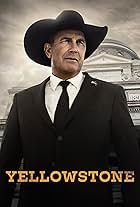
ViacomCBS is preparing to relaunch its streaming service as Paramount+ next month, and the company just unveiled a slew of new projects from brands like Paramount Pictures, Nickelodeon, MTV, Showtime and CBS News.
From a new “Yellowstone” series from creator Taylor Sheridan to a new studio division to produce content within the world of “Avatar: The Last Airbender,” here is everything the company just announced, all in one place:
Courtesy of CBS / Paramount+
“60 Minutes+”
CBS News will be among the ViacomCBS brands producing new original content for Paramount+, starting with its flagship newsmagazine series “60 Minutes.” The super-sized “60 Minutes+” episodes will start rolling out next week, led by correspondents Enrique Acevedo, Seth Doane, Wesley Lowery and Laurie Segall.
Series adaptations of Paramount library films
Paramount+ will mine the studio’s library of classic films for new streaming series, with adaptations of “Love Story,” “The Italian Job,” “Fatal Attraction” and “The Parallax View...
From a new “Yellowstone” series from creator Taylor Sheridan to a new studio division to produce content within the world of “Avatar: The Last Airbender,” here is everything the company just announced, all in one place:
Courtesy of CBS / Paramount+
“60 Minutes+”
CBS News will be among the ViacomCBS brands producing new original content for Paramount+, starting with its flagship newsmagazine series “60 Minutes.” The super-sized “60 Minutes+” episodes will start rolling out next week, led by correspondents Enrique Acevedo, Seth Doane, Wesley Lowery and Laurie Segall.
Series adaptations of Paramount library films
Paramount+ will mine the studio’s library of classic films for new streaming series, with adaptations of “Love Story,” “The Italian Job,” “Fatal Attraction” and “The Parallax View...
- 2/25/2021
- by Reid Nakamura and Umberto Gonzalez
- The Wrap

Paramount+ is going to the movies… to get ideas for new TV shows.
The streamer is developing five TV series adaptations of classic films from its library: Fatal Attraction, Flashdance, Love Story, The Parallax View and The Italian Job. ViacomCBS announced the news as part of its Investor Day presentation on Wednesday. (The Hollywood Reporter first reported the news.) Paramount+, currently known as CBS All Access, switches over to its new name and brand next Thursday, March 4.
More from TVLineFrasier Revival Officially Greenlit as Kelsey Grammer 'Gleefully' Confirms Paramount+ Series OrderYounger Moving to Paramount+ for Final Season — Watch Sneak PeekThe...
The streamer is developing five TV series adaptations of classic films from its library: Fatal Attraction, Flashdance, Love Story, The Parallax View and The Italian Job. ViacomCBS announced the news as part of its Investor Day presentation on Wednesday. (The Hollywood Reporter first reported the news.) Paramount+, currently known as CBS All Access, switches over to its new name and brand next Thursday, March 4.
More from TVLineFrasier Revival Officially Greenlit as Kelsey Grammer 'Gleefully' Confirms Paramount+ Series OrderYounger Moving to Paramount+ for Final Season — Watch Sneak PeekThe...
- 2/24/2021
- by Dave Nemetz
- TVLine.com
IMDb.com, Inc. takes no responsibility for the content or accuracy of the above news articles, Tweets, or blog posts. This content is published for the entertainment of our users only. The news articles, Tweets, and blog posts do not represent IMDb's opinions nor can we guarantee that the reporting therein is completely factual. Please visit the source responsible for the item in question to report any concerns you may have regarding content or accuracy.


